

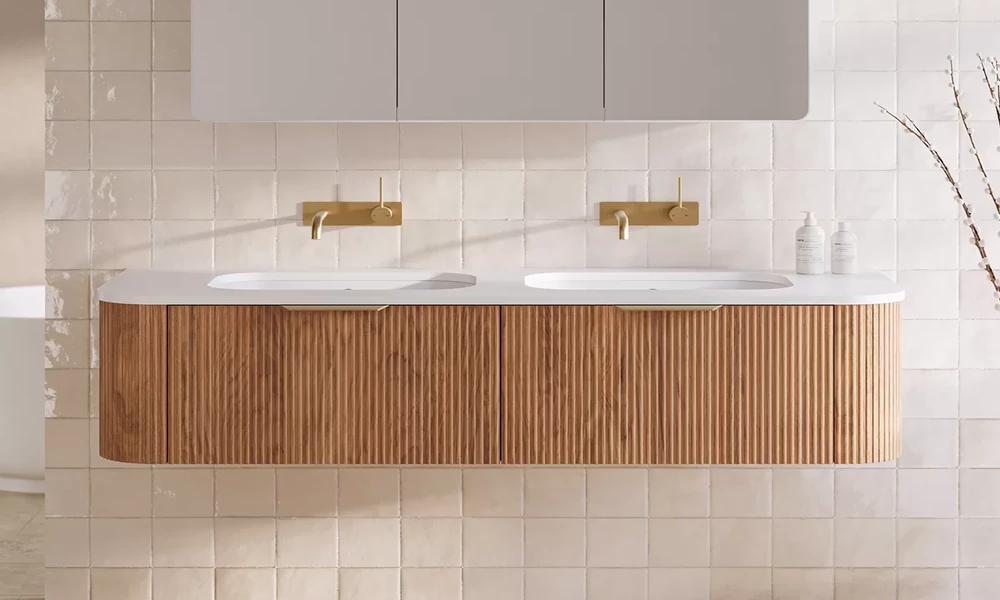
A well-designed bathroom can help to keep the house tidy and appealing and simplify daily activities. Choosing appropriate storage furniture helps to keep personal items neat and surfaces free. A timberline bathroom vanity may combine useful storage, a sophisticated finish, and a practical arrangement. Before choosing a model, think about the space you have, the materials’ quality, the way the drawers are made, and how often they’ll need cleaning. These facts enable homeowners to select a suitable unit that fits daily use and keeps the room’s look consistent.
Decoding Modern Bathroom Designs
Basic Patterns Make a Room Look Better
Clean shapes help other fixtures to stand out and help to keep things neat. Good ratios help small washrooms look tidy.
Daily Activities Are Supported by Storage Space.
Keep toiletries handy with drawers and cupboards. Careful storage lessens surface clutter and simplifies daily chores.
Comparing Colours Gives Visual Equilibrium
Any wall colour may use neutral tones. Matching finishes throughout the space gives a consistent look.
Appropriate Dimensions Remove Space Issues
Careful measurements enable installation problems to be avoided. Keep adequate space for drawers and doors to open without obstructing neighbouring fixtures.
Strong finishes make cleanup simpler.
Smooth surfaces usually come out cleaner. Regular maintenance keeps the natural finish and stops debris from building.
Deciding on Appropriate Vanity Elements
Choosing materials for long-lasting performance
Strength, looks, and maintenance requirements depend on the material picked. Since bathroom furniture sees regular humidity and water splashes, moisture-resistant construction is quite helpful. Strong construction keeps stability; premium surface treatments lower the likelihood of damage. Before buying, go over the manufacturer’s care instructions. These specifics offer a better understanding of long-term upkeep and enable homeowners to compare the models on hand depending on their daily needs.
Designing Storage Based on Your Family’s Requirements
Storage ought to mirror the number of users and the things kept close by. While bigger drawers can help shared areas, a small home would benefit from a small design. Before deciding on an appropriate model, take into account these sensible qualities:
Deep drawers for bigger personal care goods.
– Little sections for often-used items.
– Cupboards to store extra items out of view.
– Regular access made simple by pull-open handles.
– Shelves support basic arrangement.
Verifying requirements for installation and plumbing
Measure the free wall space before buying furniture and make sure where plumbing connections sit. The timberline bathroom vanity ought to suit around current pipes without restricting access for future upkeep. Before installing, check the basin’s position and tap openings. Professional installation can help stop alignment issues or leaks. Additionally, lowering the likelihood of expensive modifications once the furniture arrives is appropriate preparation.
Before Making Choices, Comparing Models
Looking at various choices enables buyers to see which features genuinely add value. Stay away from selecting a unit just on its looks. Examine building quality, size, storage capacity, warranty conditions, and maintenance needs. These checks help one to find a fit design for the house.
– Check actual measurements against the available floor area.
– Examine drawer movement and cupboard access.
– Examine the finish’s moisture resilience.
– Verify the basin fits the pipes now in place.
– Go through the manufacturer’s cleaning instructions.
A smart furniture choice is based on accurate measurements, strong materials, and appropriate storage for daily activities. Before deciding on a purchase, examine construction details; then, verify plumbing access and cleaning needs. These simple measures help to design an organised restroom that is simple to maintain. A well-matched device will enable the room to have a clean and coherent look for years to come and help with daily chores.
